Products / S46 G.R.A.S.P

Real incidents.Real pressure. Real readiness.

S46 G.R.A.S.P turns cyber incidents into a continuous lived reality so organizations can measure and improve the technical, cognitive and crisis-communication execution of SOC and incident-response teams under pressure.

Explore adversarial readinessExperience G.R.A.S.P

Gather · Research · Analyze · Secure · Prevent

01 / Experience-driven adversarial readiness

Patent-pending methodology

Every incident becomes a measurable readiness loop.

G.R.A.S.P stands for Gather, Research, Analyze, Secure and Prevent. It measures how teams investigate, decide and communicate when incidents become complex, multilayered and hostile.

The platform turns execution into evidence: what worked, what was missed and what must improve before the next incident.

  1. G

    Gather

    Collect the incident data.

  2. R

    Research

    Investigate the collection against threats.

  3. A

    Analyze

    Determine root cause and indicators of compromise.

  4. S

    Secure

    Design and prioritize viable mitigations.

  5. P

    Prevent

    Build the roadmap that reduces recurrence.

S46 G.R.A.S.P patent-pending mark
Under pressure, teams do not rise to their best. They fall to their level of readiness.
02 / The critical misalignment

Incidents are not ordinary IT problems

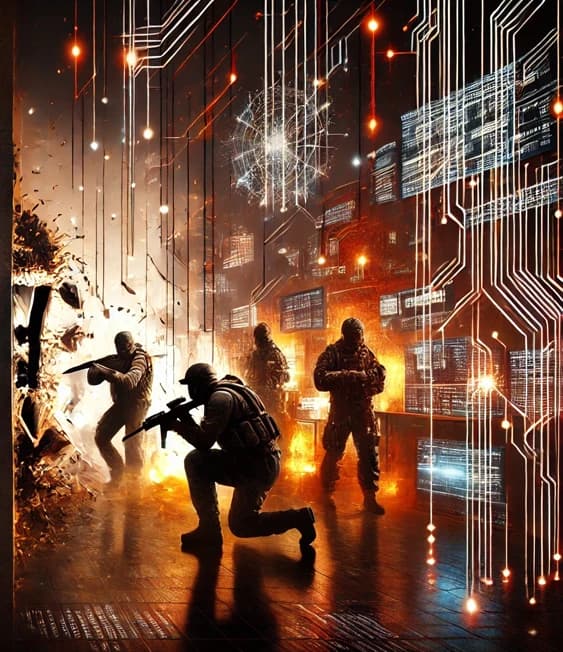
Cyber incidents resemble guerrilla warfare.

Traditional training depends on isolated, puzzle-like exercises. Front-line defenders are then expected to handle incidents that arrive without warning, evolve across multiple layers and apply sustained operational pressure.

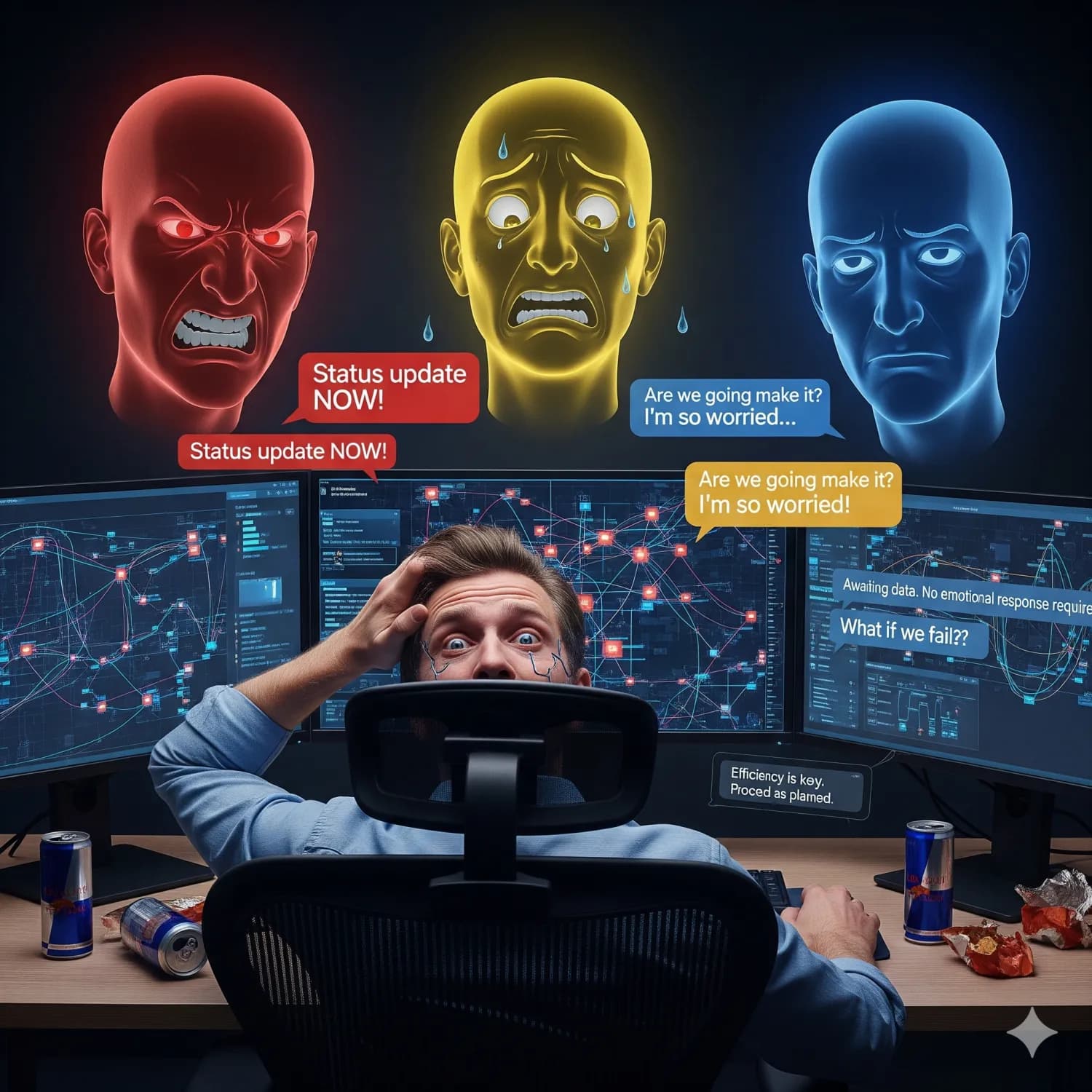
  • Cyber combat fitness gaps
  • High stress and burnout
  • Operational efficiency issues
  • Decision-making and critical-thinking gaps
  • Individual and organizational resilience gaps
S46 view of multidimensional incident readiness

We appreciate technology, but we believe in peopleWe appreciate technology, but we believe in people

03 / Breach and attack simulation for people and process
Human-layer validation model for SOC and incident-response teams

Adversarial readiness exposure for SOC and IR

Validate the human decision-making layer.

Conventional security validation measures product configuration while overlooking how incident-response teams actually investigate, decide and communicate under pressure. G.R.A.S.P makes that execution visible.

54%of incidents linked to readiness gaps, not technology failure
181days cited for breach detection
64%of experts reporting burnout

Which analysts remain consistent during a real-time investigation? Where do they need support? Does training improve real-world execution? G.R.A.S.P turns these questions into observable, repeatable evidence.

  1. 01

    Inconsistent defense quality

    The outcome of an incident can depend too heavily on which analyst is on duty.

  2. 02

    Hidden capability gaps

    Chronic weaknesses can remain invisible until a real incident exposes them.

  3. 03

    Unproven training ROI

    Training investment lacks objective evidence that it improves real-world execution.

  4. 04

    Senior-review bottlenecks

    Experienced staff spend time manually reviewing investigations and giving feedback that is difficult to scale.

04 / Functionality and resilience in hostile environments

Why traditional readiness falls short

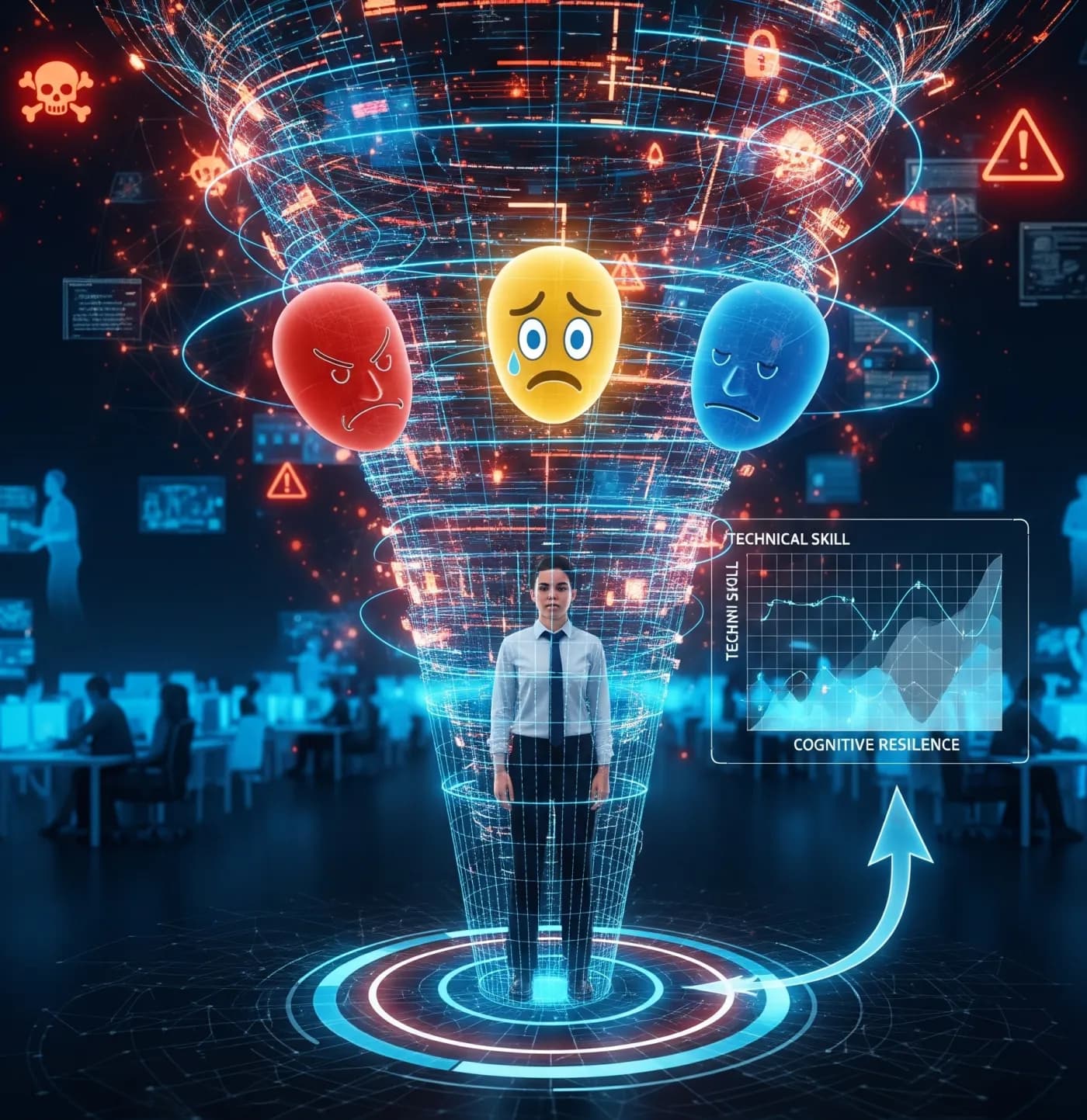
Puzzles do not prepare teams for chaos.

Real threats are unpredictable, hostile and relentless. Defenders must remain ready, resilient and adaptable when the environment is no longer controlled.

G.R.A.S.P adversarial pressure and readiness engine
  1. 01

    The tutorial-hell trap

    Solving gamified puzzles can feel like progress, yet confidence collapses when a real case must be handled independently.

  2. 02

    Isolated challenges

    Standalone exercises lack the context and interconnected layers of real incidents.

  3. 03

    Predictable environments

    Participants train when they feel ready inside over-controlled conditions disconnected from operational reality.

  4. 04

    No resilience dimension

    Traditional platforms rarely address uncertainty, emotional regulation, mental resilience, critical thinking or adaptability.

  5. 05

    Static learning paths

    Predefined, linear improvement models cannot keep pace with hostile and evolving threats.

05 / Why we do it

Key benefits of G.R.A.S.P

Tools do not respond to incidents. People do.

G.R.A.S.P benchmarks SOC and incident-response performance under adversarial conditions and turns it into clear analyst improvements, detailed leadership oversight and defensible evidence.

G.R.A.S.P benefits for cybersecurity analysts

For cybersecurity analysts

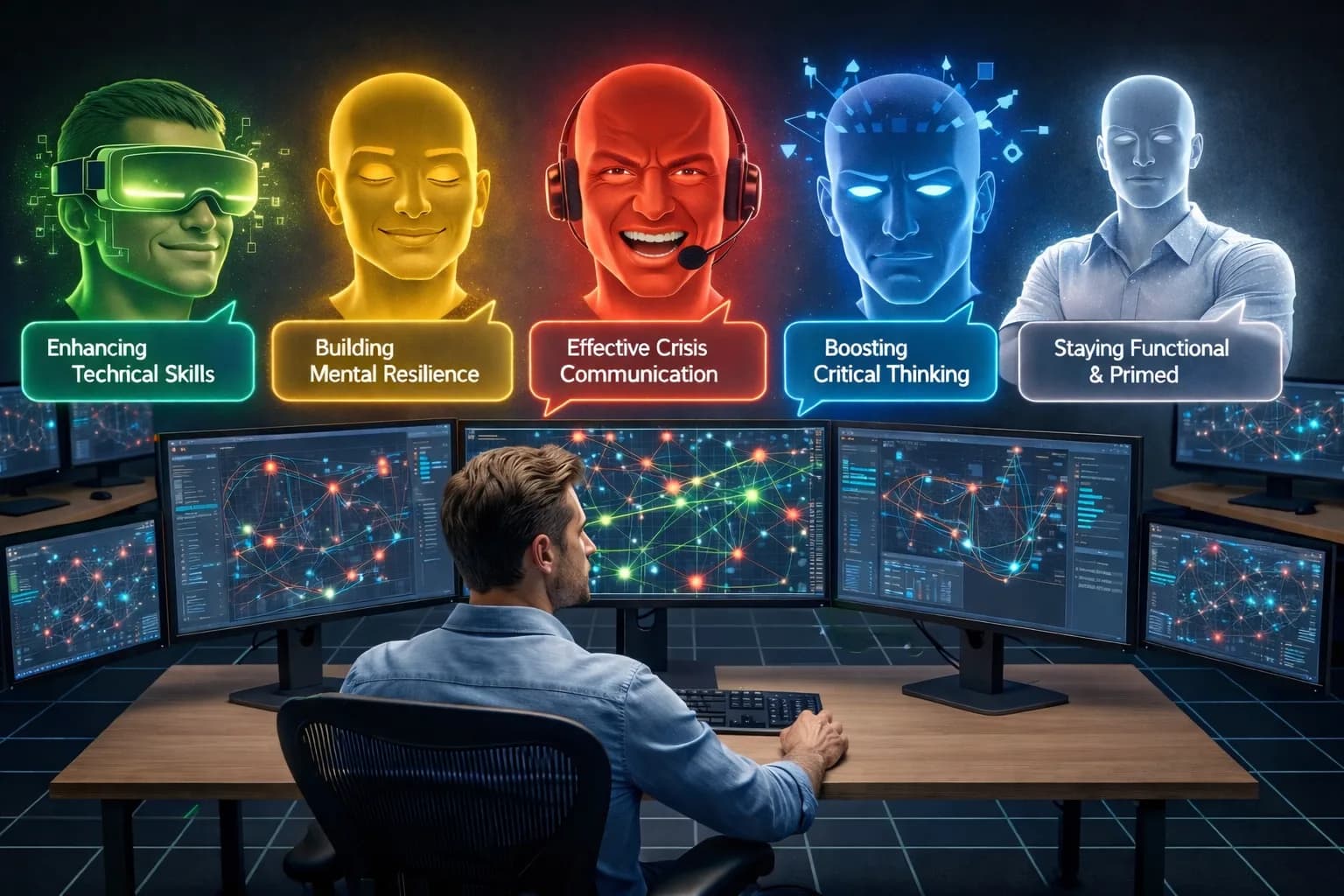
Functional, resilient and primed analysts.

Unpredictable incidents become a safe growth loop. The platform analyzes queries, pivots, decisions and crisis communication to show what worked and how to improve next time.

  • Better decision-making under pressure
  • Stronger critical thinking and context building
  • Greater psychological resilience
  • Continuous cyber combat fitness
  • Faster maturity development
  • Clearer, more efficient crisis communication
  • More consistent incident-investigation quality

G.R.A.S.P benefits for cybersecurity executives

For cybersecurity executives

Prove multidimensional adversarial readiness.

Simulate realistic pressure, capture how teams investigate, decide and communicate, then turn that behavior into benchmarks and defensible reporting.

  • Benchmark and demonstrate adversarial readiness and resilience
  • Multidimensional, data-driven incident-response maturity visibility
  • Lower operational variance and improve predictability
  • Produce evidence that incident-response processes are practiced and effective
  • Improve crisis communication
  • Increase team consistency
  • Improve technical hiring accuracy
  • Develop psychologically resilient teams
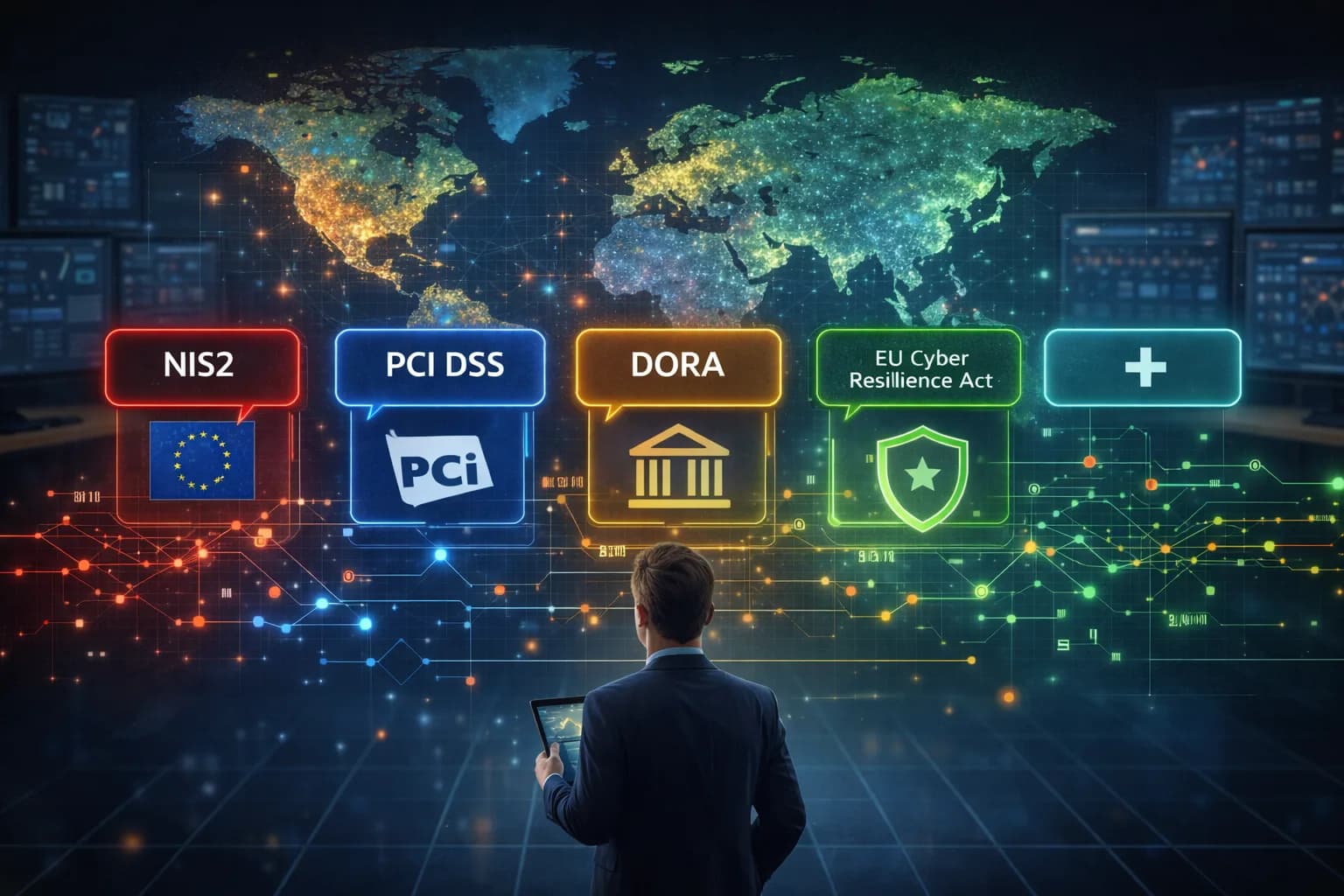
G.R.A.S.P regulatory readiness and resilience evidence

For regulatory tailwinds

From documented compliance to demonstrated resilience.

Produce defensible evidence of how teams handle unpredictable incidents under pressure, enabling continuous benchmarking and targeted improvement across frameworks.

  • ISO/IEC 27035-1 — five-phase incident lifecycle and IRT capability
  • DORA Articles 13–14 — ICT incidents and resilience testing
  • ISO 27001 A.5.27–A.5.28 — learning from incidents and evidence collection
  • NIST CSF 2.0 — Detect, Respond and Recover functions
  • NIST SP 800-53 Rev. 5 IR-2, IR-3 and IR-4 — training, testing and handling
  • SOC 2 Trust Services CC7.3–CC7.5 — incident controls
  • PCI DSS 4.0 12.10.2 and 12.10.4 — testing and training
  • FIRST CSIRT Framework — capability building and continuous improvement
  • NIS2 Articles 21 and 23 — cyber crisis and resilience exercises
  • IATA and UK DfT — crisis communication readiness and response coordination

Decision quality

Human resilience

Team consistency

Readiness evidence

Experience it today

Make readiness visible before the next incident.

Let's talk